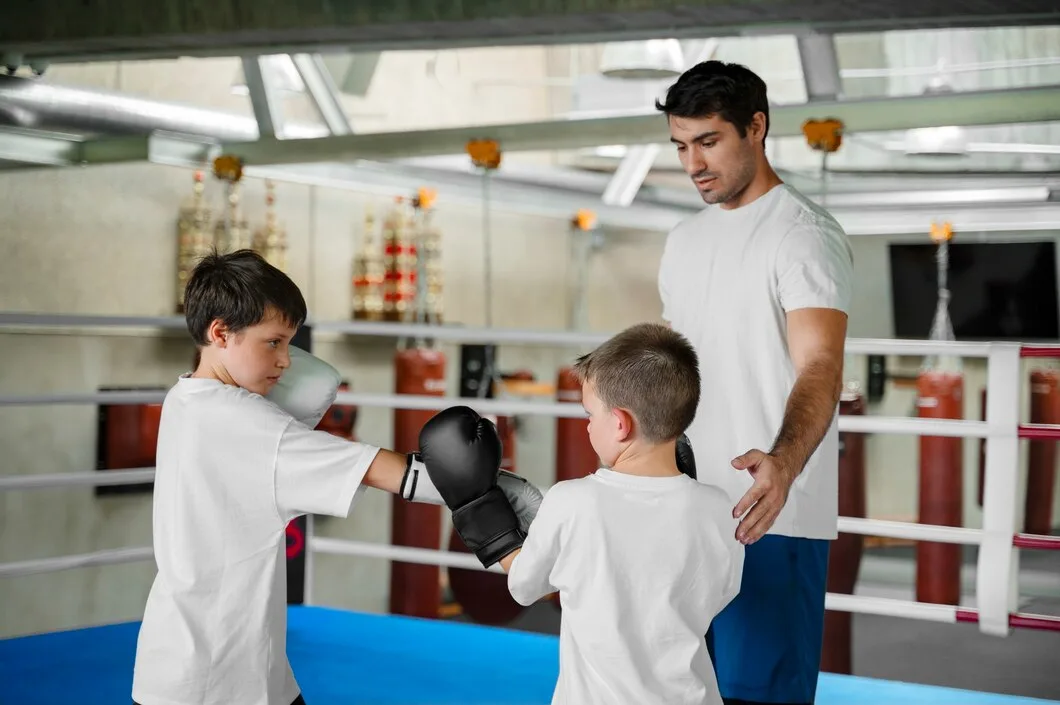
Children need more than academic knowledge to grow into confident and responsible individuals. They also need opportunities to develop self-control, concentration, perseverance, and healthy social habits. Martial arts can provide a structured environment where children practice these skills while staying physically active.
For parents looking for Martial Arts Near Me in Bristol, understanding the benefits of martial arts can help them decide whether this type of activity is suitable for their child.
Building Confidence Through Small Achievements
Confidence often develops when children experience success after putting in consistent effort. Martial arts gives children many opportunities to experience this process.
A child may begin by learning a basic stance or movement. With regular practice, they can gradually learn more advanced techniques. Each new skill provides a sense of achievement.
Children can develop confidence by:
- Learning unfamiliar movements
- Practicing until a technique improves
- Participating in group activities
- Demonstrating skills during class
- Working toward new belt levels
- Overcoming challenges without giving up
These experiences can teach children that improvement takes time and effort.
Developing Better Focus
Modern children have many distractions competing for their attention. Martial arts classes provide a structured setting where students are expected to listen, observe, remember instructions, and perform movements correctly.
During a typical lesson, a child may need to watch an instructor demonstrate a technique and then repeat it. This requires concentration and attention to detail.
Over time, regular practice can encourage children to:
- Listen carefully
- Follow instructions
- Remember sequences
- Pay attention to technique
- Stay engaged with an activity
- Complete tasks before moving on
These habits can be useful in other areas of a child’s daily routine, including schoolwork and hobbies.
Teaching Discipline Through Routine
Discipline does not mean being harsh or overly strict. For children, it can mean learning how to follow routines, respect boundaries, and continue working toward a goal.
Martial arts classes commonly involve structured routines. Students may begin with warm-ups, move into technique practice, and finish with drills or other activities.
Following this structure helps children understand the importance of:
- Arriving prepared
- Listening to instructors
- Following class rules
- Practicing consistently
- Respecting classmates
- Taking care of training equipment
These simple habits can gradually become part of a child’s everyday behavior.
Learning the Value of Persistence
Some martial arts techniques take time to master. A child may not perform a movement correctly on the first attempt, and that is part of the learning process.
Instead of giving up after making a mistake, students are encouraged to practice again. This helps introduce the idea that mistakes are a normal part of learning.
Persistence can become especially valuable when children face challenges at school, in sports, or while learning other skills.
Encouraging Respect for Others
Respect is an important part of many martial arts programs. Children learn to interact with instructors and classmates in an organized environment.
They may practice behaviors such as:
- Listening when someone else is speaking
- Waiting for their turn
- Treating training partners carefully
- Following instructions
- Showing good sportsmanship
- Respecting personal space
Learning these behaviors in a group setting can help children become more comfortable cooperating with others.
Physical Activity and Mental Development
Martial arts combines physical movement with mental concentration. Children may practice kicking, punching, blocking, footwork, balance, and coordination depending on the discipline.
Regular physical activity can support children’s overall fitness while martial arts adds an element of structured learning.
Instead of simply exercising, children are often working toward specific techniques and goals. This combination can make physical activity more engaging for children who prefer learning through challenges.
Setting Goals and Tracking Progress
One of the useful aspects of martial arts is that children can see their progress over time. Programs may use belt systems or other milestones to recognize development.
A child can start with a simple goal, such as learning a particular technique. Later, they may work toward completing a more advanced sequence or progressing to another level.
Goal setting can teach children that larger achievements are often reached through smaller steps.
How Parents Can Support Their Child
Parents can make the learning experience more positive by focusing on effort and progress rather than expecting immediate perfection.
Helpful approaches include:
- Encourage regular attendance.
- Praise effort and persistence.
- Avoid comparing your child with other students.
- Ask what they learned after class.
- Give them time to improve.
- Support realistic goals.
- Allow instructors to provide technical guidance during lessons.
Children develop at different speeds, so patience is important.
Choosing Martial Arts Near You in Bristol
Parents searching for Martial Arts Near Me in Bristol have several factors to consider before choosing a program. The right environment should match the child’s age, experience level, personality, and interests.
Before enrolling, parents may want to ask about:
- Instructor experience
- Class sizes
- Age groups
- Beginner programs
- Training schedules
- Safety procedures
- Class structure
- Trial sessions
- Progression systems
It can also be useful to observe a class if the school allows it. This gives parents an opportunity to see how instructors communicate with children and how students interact with one another.
Creating a Positive Learning Environment
The atmosphere of a martial arts class can have a major effect on a child’s experience. Children should feel encouraged to learn while understanding that rules and safety matter.
A good children’s program should provide appropriate challenges without making beginners feel embarrassed about mistakes. Instructors can help students progress by explaining techniques clearly and adjusting activities according to age and ability.
When children feel comfortable asking questions and making mistakes, they may become more willing to try new things.
Conclusion
Martial arts can give children an opportunity to develop confidence, focus, discipline, persistence, and respect while participating in regular physical activity. Through structured classes and gradual skill development, children can learn how effort and consistency contribute to progress.
For Bristol parents exploring Martial Arts Near Me, comparing age-appropriate programs, instructors, schedules, and teaching environments can help them find a class that suits their child’s needs and encourages a positive approach to learning.